Research
Why timing matters
Your body runs on a clock. Take a medicine, eat, or sleep at the wrong point in that clock and the same dose does less, harms more, and — repeated night after night — costs healthy years of life.
The human cost
21–34% ↑
higher risk of death with bright nights
Your melatonin onset (DLMO) is the nightly signal that switches on cellular repair — for brain and body. When it drifts out of sync, repair is blunted, and the damage compounds into disease and fewer healthy years. The UK Biobank’s 88,905-person study found disrupted light–dark cycles predict higher mortality.
UK Biobank · PNAS (2024) ↗The cost to the NHS
£100s of millions
avoidable medicines harm each year
Much of it because a medicine’s timing never matched the person’s body clock — the same drug, given at the wrong phase, working against the patient instead of with them.
NHS medicines optimisation ↗Built on Halberg
Franz Halberg founded chronobiology decades ago. Today’s researchers keep proving him right.
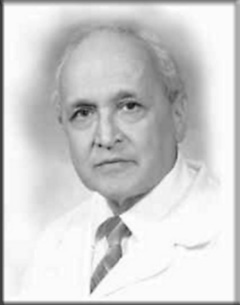
Prof. Franz Halberg
Founded chronobiology and coined the word "circadian" in 1959. He showed that body rhythms decide health or disease, and that medicines work better when timed to them. Everything below proves him right.
Biography & works ↗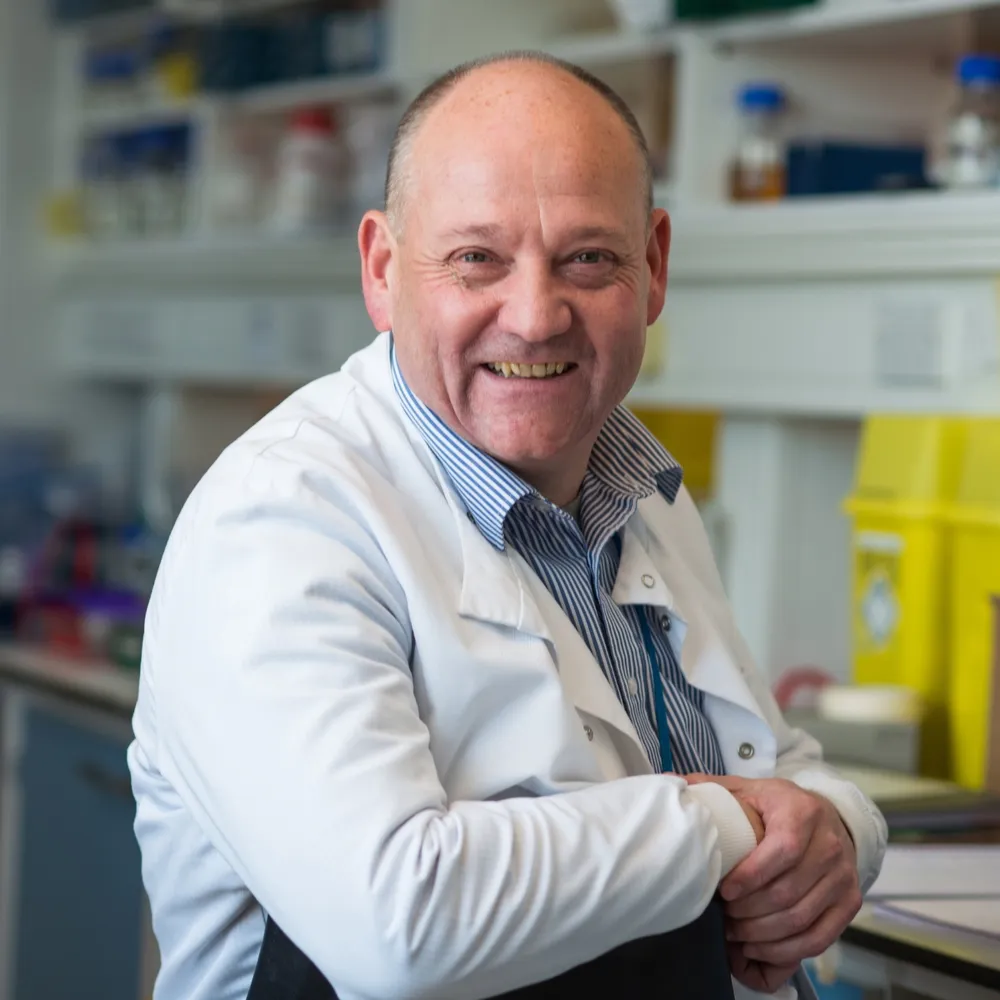
Prof. Russell Foster
Maps the light pathways that set the body clock Halberg described, and why the timing of a dose changes its effect.
Oxford profile & papers ↗
Prof. Till Roenneberg
Measures each person’s body-clock type at population scale, putting numbers to the individual timing Halberg called for.
Publications (Scholar) ↗
Key papers
Three evidence clusters — foundational science, drug timing, and population scale. Click through to read the original work.
Foundational
Body clocks and chronobiology — the science precision timing is built on.
Drug-specific
Same drug, different hour — when the dose lands changes what it does.
Population
Real-world body clocks at scale — why one schedule fails whole groups.
Decision support, clinician-led
Put timing to work
You choose what data we can use. Consent first · UK GDPR · Your clinician stays in the loop.